Tag: Hope

  • The Already-But-Not-Yet…

    The Already-But-Not-Yet…

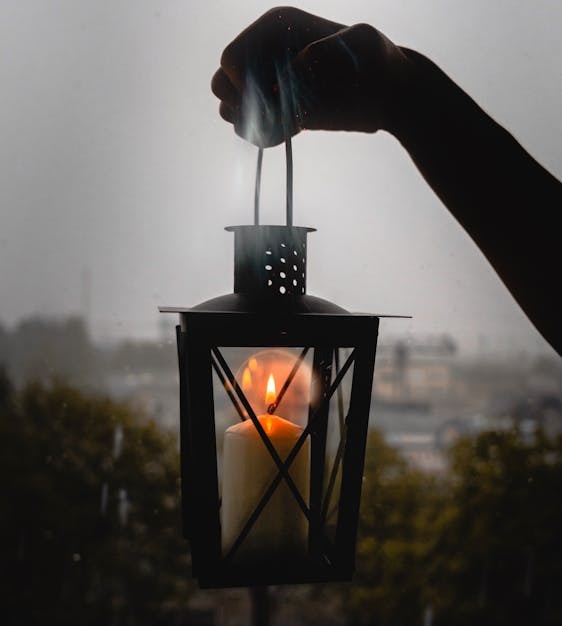
    As we light the first Advent candle, the candle of hope, we do so with the prophetic words of Jeremiah ringing in our ears, “‘The days are coming,’ declares the Lord, ‘when I will fulfill the good promise I made to the people…” (Jeremiah 33:14)

    These words were first spoken to those living in the aftermath of war; standing in the ashes and rubble of all they held dear.  Jeremiah reminded them of God’s promise to send exactly what they longed for, one who would restore justice and bring safety.  There was little proof that this “Righteous Savor” would arrive within their life time, in fact it took another 500 years before the birth of Jesus.  In the meantime these people had to get up every day and begin to slowly bring about life amid the ashes. 

    Author, professor, and modern day theologian, Kate Bowler writes that we, like those who first heard these words of Jeremiah, find ourselves living in the “already-but-not-yet.”  She is known by many as a modern day Jeremiah, one who has fought stage four colon cancer into remission and who discovered hope through a curtain of tears while standing in the ashes of life.  She knows what it takes to get up each day and bring about life in the midst of a terminal diagnosis, living through horrible cancer treatments that fell profoundly short of fulfillment, and yet, she brings good news from this land of loss and desperation; there is reason for hope.

    Bowler writes, there is a new hope, a new truth.  She writes that the season of Advent invites us to bear witness to the hope of God’s promise being fulfilled while also bearing witness to our not so perfect lives,  “God has made us for truth-telling, to have eyes that glimpse through tears at the already-and-not-yet that we live in. And at the same time, these same eyes are trained on Jesus, who embodies the compassion, restoration, and justice we long for.” *

    She teaches that the only way to true life sustaining hope is by being honest with ourselves; to open ourselves to lament all that is not perfect in our lives.  Truth is, the story of God’s work in the world consists both of hope and despair, not hope in the absence of despair, but hope in the face of despair and, often, through despair. 

    Living between the already-but-not-yet means we need to make space to lament. Lament is a biblical practice that invites us to express our sorrow, pain, or confusion. It is the act of grieving with God. By practicing this honest form of prayer we are creating a space for hope to take root despite all that isn’t perfect.*

    May your Advent journey begin with an honest and truly sustainable hope,

    Rev. Heather McCarrel

    (Kate Bowler, The Weary World Rejoices, Advent Study.  2024; pgs. 6-7)

    Photo by Gantas Vaiciulenas/Pexels

  • Finding Hope  

    Finding Hope  

    He drew a circle that shut me out

    — Heretic, rebel, a thing to flout.

    But love and I had the wit to win:

    We drew a circle that took him in!

    (Edwin Markham)

     Round tables are my favorite!  Everyone sitting at a round table is equal and always there is room for one more chair.  I was reminded of round tables at Bible study last week; we were studying the parable of The Good Samaritan.

    It is the story of a nameless man who selflessly provides all that is needed to rescue someone beaten and left to die in a ditch. It is a story about social boundaries removed so God’s love and care can be set free.  It is a story of radical response when facing the choice of indifference or active compassion. 

    The Samaritans in Jesus’ day were despised and ridiculed; they were considered the lowliest of all humanity. So, of course Jesus uses these very people to teach of God’s powerful grace and transformative love. 

    What makes the Samaritan good in this story is that he has every reason to respond to the hatred, cruelty and shame placed on him by others with much of the same, but doesn’t.  Instead, his response is to extend a hand of welcome, lifting the broken man onto his donkey and walking him to where healing can begin.  He doesn’t bother asking who the broken man is or whether this man is deserving of such help; he just helps.  This is the most powerful part of the story. One who has every reason to respond with hatred but instead responds with love, this is where we find hope for the world. 

    Hope for the healing of humanity is found in those who refuse to be the hatred or cruelty in the world but instead respond to God’s call to be light, love and understanding.  As written in 1 Peter 3:9, “Don’t repay evil for evil. Don’t retaliate with insults when people insult you. Instead, pay them back with a blessing. That is what God has called you to do, and he will grant you his blessing.”

    True humility teaches that we all take our turn being the broken one in the ditch. The Good Samaritan reminds us “…of a merciful God who wants to bind up and heal all your hurts. Can you see this? You on the road – injured by the world and God as the one that picks you up….This God who acts as a stranger on the road will never judge you or your needs. This God pours His Mighty Mercy like oil and wine. If you will let Him do this…”. (Pastor John Bright)

    When we face the cruelty of others may we see the pain they hold and understand it isn’t about us, instead may we respond with a quiet respect trusting God’s love has the power to heal us all. 

    As we light the first candle of Advent, the Candle of Hope, may we remember that hope is held in our response to the hardness of life; a response rooted in God’s healing love.

    Blessings,

    Rev. Heather McCarrel

    Photo by Ronak Valobobhai/Unsplash